
HVAC Maintenance
In Peabody, MA
Annual HVAC maintenance across Peabody's full housing range — pre-season furnace tune-ups for older downtown neighborhoods approaching end of system life, and consistent service for newer subdivision homes to protect equipment investment.
HVAC Maintenance in Peabody: Older Neighborhoods, Mid-Century Homes, and Newer Subdivisions
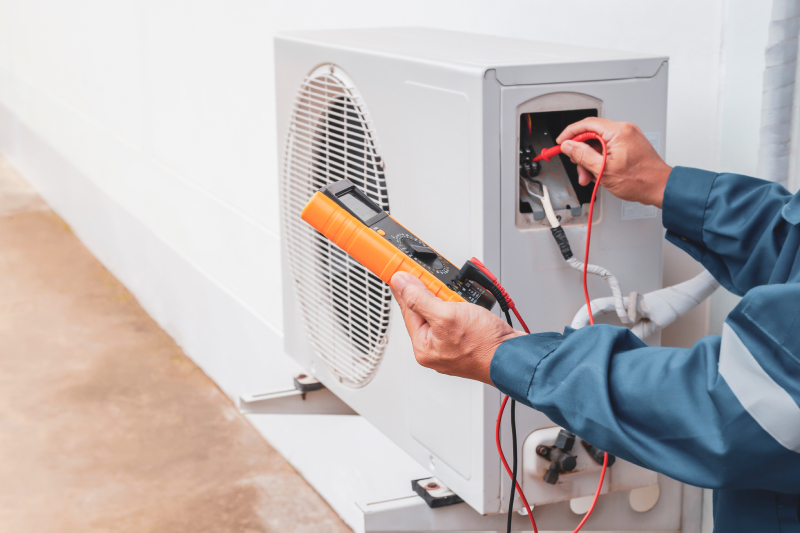
Peabody has a broad housing age range — older established neighborhoods near downtown with mid-century colonials and ranches, and newer subdivisions built over the past two to three decades on the city's outskirts. For HVAC maintenance, that range translates to different risk profiles and maintenance priorities. Older Peabody homes with systems that are fifteen to twenty-five years old are approaching the end of their designed service life, and annual maintenance is the practice that catches the signs of impending failure — heat exchanger deterioration, weakening igniters, capacitors reading below spec — before they produce a no-heat or no-cool situation. Newer Peabody homes have younger systems where the maintenance priority is less about catching imminent failure and more about maintaining efficiency and keeping the warranty record intact. Aspen HVAC handles maintenance throughout Peabody for both segments, with the assessment scope reflecting each system's actual age and condition.
Maintenance for Peabody's Older Downtown Neighborhoods
Aging Systems, Heat Exchanger Integrity, and End-of-Life Planning
Peabody's established neighborhoods near downtown contain homes with gas furnaces and central AC systems that date from the late 1990s to early 2000s. At fifteen to twenty-five years of age, these systems are in the range where annual maintenance becomes most consequential. The heat exchanger — the component that physically separates the combustion zone from the supply air stream — develops fatigue cracks through repeated heating and cooling cycles. A cracked heat exchanger allows combustion gases including carbon monoxide to enter the home's air. Annual maintenance includes a heat exchanger inspection that uses the appropriate testing process to identify cracks or breaches that a visual inspection alone wouldn't catch. Beyond safety, the annual tune-up on an older Peabody system includes burner cleaning to maintain combustion efficiency, igniter testing to identify the component most likely to produce a no-heat failure, and capacitor testing on the AC side to catch the component most likely to fail on a hot summer day. These inspections on aging equipment produce findings at a higher rate than on newer systems — which is precisely why consistent annual service matters most when systems are oldest.
What the First Maintenance Visit Reveals in Neglected Peabody Homes
Documenting Accumulated Condition
Peabody homes where HVAC maintenance has been deferred for several years — a common situation in both owner-occupied homes and rental properties — present a specific first-visit profile. The burner has accumulated deposits that reduce combustion efficiency. The filter may not have been changed on schedule, restricting airflow and causing the heat exchanger to run hotter than designed. The AC coil may have accumulated seasons of debris that degrade heat transfer. The capacitor may be well below its rated capacitance. None of these individually causes an immediate failure at the moment of the first maintenance visit, but they represent accumulated deferred risk. A first tune-up on a neglected Peabody system documents current condition and addresses the reversible degradation — cleaning what can be cleaned, replacing what tests out of spec, and identifying what needs closer monitoring going forward.
Maintenance for Peabody's Newer Subdivision Homes
Protecting Newer Equipment Through Consistent Service
Newer Peabody homes with gas forced-air systems installed in the past ten to twenty years don't have the same age-related failure risk as older equipment. Annual maintenance on these homes is primarily about preventing premature wear from developing: keeping coils clean so the compressor runs at designed conditions, verifying refrigerant charge so the system doesn't run under-charged and overstress the compressor, and catching the occasional early component defect that a new or moderately new system might develop. Newer systems are also more likely to be under manufacturer warranty with maintenance requirements — documented annual service is the record that supports a warranty claim if a component fails prematurely.
What Consistent Annual Maintenance Does for Peabody Systems
Pre-Season Detection and Planned Component Replacement
The practical value of annual maintenance is shifting component replacements from emergency circumstances to planned ones. A capacitor found below spec during spring maintenance is replaced during a scheduled visit at the parts cost plus a routine service call. The same capacitor failing on a 95-degree day in July is an emergency call at emergency rate, with potential wait time if service is backed up. Over the life of an HVAC system, the annual maintenance pattern produces a documented service history, fewer emergency calls, and components replaced before failure rather than at failure.
What Does HVAC Maintenance Look Like in Peabody?
Pre-Season Scheduling, Full Inspection, Upfront Pricing
Aspen HVAC schedules furnace tune-ups in fall and AC and heat pump tune-ups in spring. All findings are discussed with the homeowner before any work beyond the standard scope. For first visits on systems with no service history, the assessment covers current condition fully. Pricing confirmed upfront. Call 781 289 1000 to schedule.
Local Technicians. Trusted Expertise.
Direct Response
Call and you reach Aspen HVAC directly — not a call center, not a regional dispatch queue. Real answers from people who know the work.
North Shore Based
Aspen HVAC's technicians live and work here. Full service, full coverage, daily — when you call, you get a local tech who knows the area.
Trusted Accountability
Locally owned, licensed and insured in Massachusetts, with over 25 years serving North Shore homeowners and property managers.
Common Questions About Maintenance Plans in Peabody
A furnace tune-up covers heat exchanger inspection, burner and igniter check, flue inspection, filter replacement, blower cleaning, and safety control testing. An AC or heat pump tune-up covers coil cleaning, refrigerant pressure check, capacitor and contactor testing, and electrical inspection. The scope reflects the specific system type in the home.
Once a year per system. Fall for furnaces before the heating season; spring for AC and heat pumps before cooling season. Peabody's older downtown neighborhoods have systems that benefit most from consistent annual service — mid-century equipment where annual maintenance is the practice that catches deterioration before failure.
That depends on the specific system's condition, age, and repair history. Annual maintenance keeps older systems in known condition and can extend their useful life. It also provides the information to make an informed replacement decision — a technician who has maintained a system for several years can tell you when the cost-benefit math shifts toward replacement. Aspen HVAC provides honest guidance.
Yes. A fall furnace tune-up catches the conditions that predict failure — igniters showing wear, heat exchangers with developing cracks, capacitors below spec — in October rather than during a January cold snap. Early detection means planned component replacement rather than emergency repair.
Yes. A dirty burner, fouled coil, or clogged filter increases fuel and electricity consumption. Annual cleaning and tuning restores the system closer to rated efficiency. For Peabody homes with older systems that have accumulated several seasons of deferred maintenance, the first annual tune-up often produces a noticeable improvement in operating performance.
Yes. Aspen HVAC services HVAC systems throughout Peabody — older neighborhoods near downtown, mid-century residential areas, and newer subdivisions. The maintenance approach accounts for the system age and type at each property.
Ready To Schedule Maintenance Plans
In Peabody?
Local. Licensed. Available Now. Call Aspen HVAC — 24/7 Emergency Response.