
Thermostat Installation & Replacement North Shore, MA
Smart thermostat installation, programming, and replacement across the North Shore. Compatibility checked, wiring handled, schedule configured at install.
When Should You Upgrade to a Smart Thermostat?
The Right Thermostat, Installed and Configured Correctly
A thermostat that stops responding, shows a blank screen, or fails to turn the heating or cooling system on is frustrating — but the fault isn't always in the thermostat itself. Dead batteries, a tripped breaker, a loose wire, or a fault deeper in the HVAC system can all produce the same symptoms. A blank thermostat screen that resolves after battery replacement is a simple fix; the same symptom caused by a failed control board in the furnace is a different job entirely. Aspen HVAC diagnoses which component is actually causing the problem before recommending a fix — so you aren't paying to replace a thermostat when the real issue is elsewhere in the system.
What Are the Benefits of Upgrading to a Smart Thermostat?
Smart Thermostats — Scheduling, Remote Access, and Real Savings
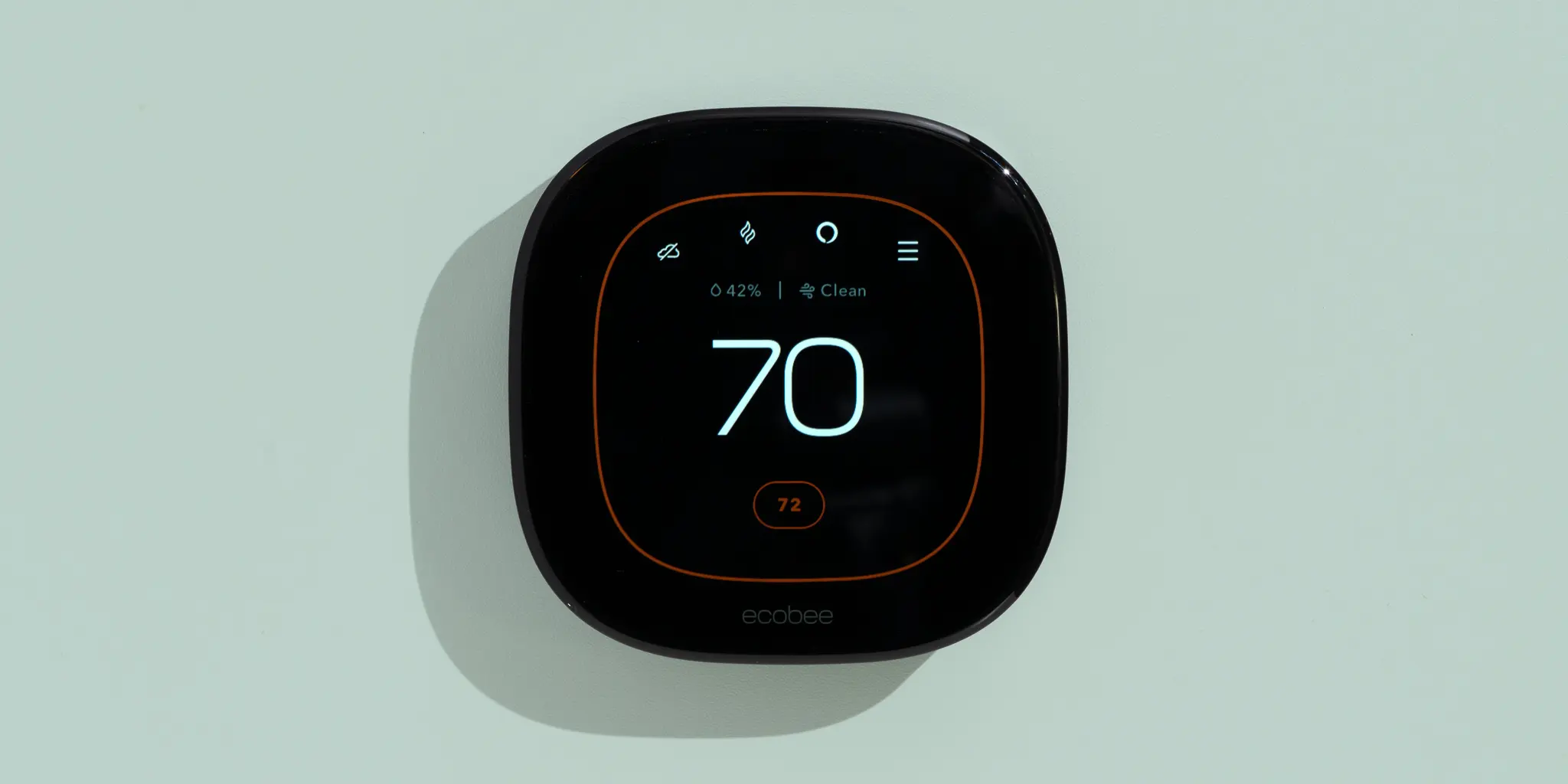
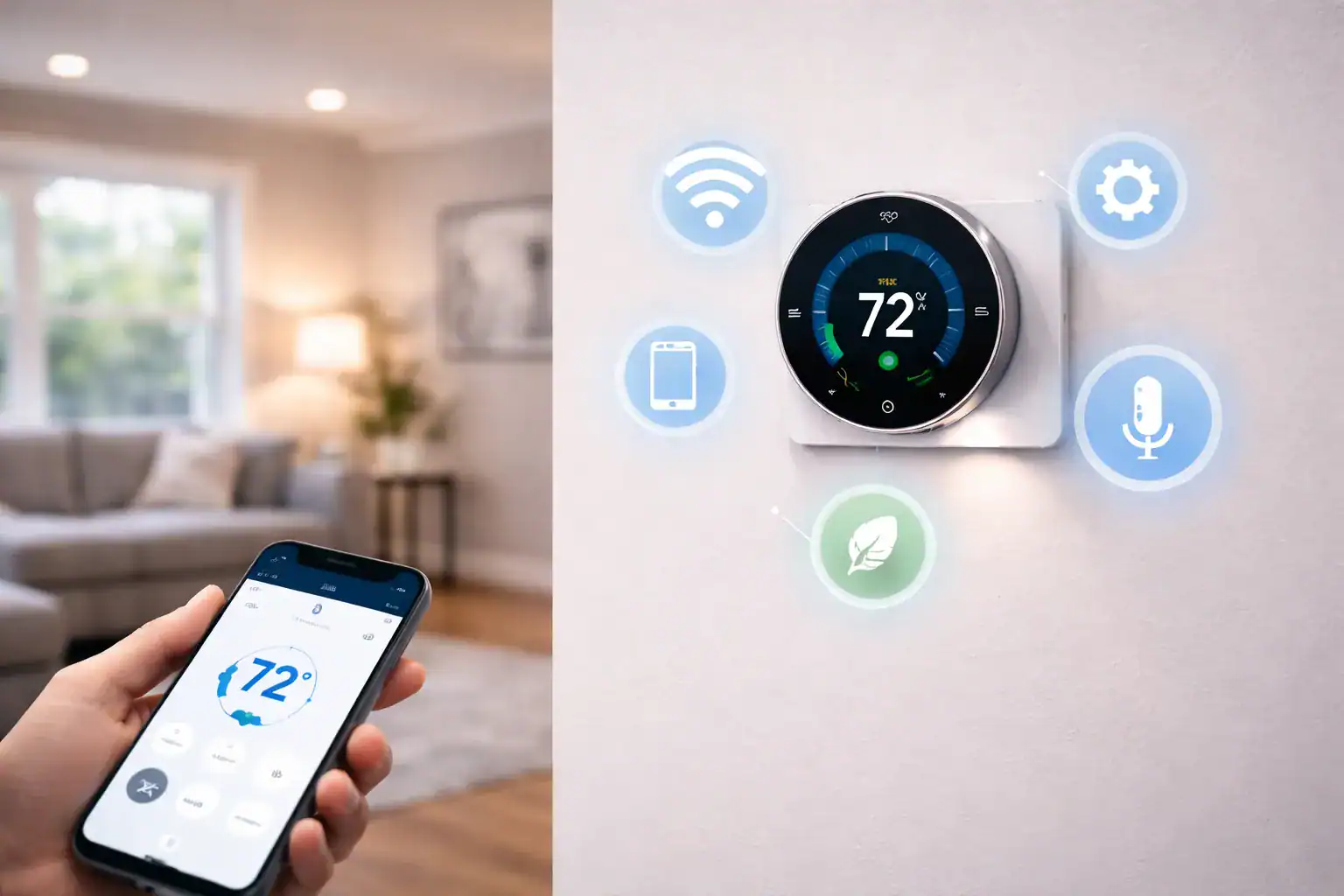
Upgrading from a manual or basic programmable thermostat to a smart thermostat gives you the ability to adjust temperature remotely, set schedules based on room occupancy, and let the system learn heating and cooling patterns over time. The EPA estimates the average household saves $50–$100 per year on energy costs with a properly programmed smart thermostat. For households with variable schedules, remote access alone is worth the upgrade — no more heating an empty house through a workday or coming home to a system that hasn't started yet. Aspen HVAC configures the schedule at installation so you get the efficiency benefit from day one rather than sorting out programming later.
Will a Smart Thermostat Work with My HVAC System?
Compatibility Isn't Guaranteed — Check Before You Buy
Smart thermostats are not universally compatible. Standard forced-air furnaces and central AC systems work with most popular models, including Ecobee and the Honeywell T-series. Problems arise with multi-stage heating and cooling equipment, heat pumps with auxiliary heat strips, systems with proprietary wiring, and older homes that lack a common wire (C-wire) — which most smart thermostats require for continuous power. Buying a thermostat before confirming compatibility leads to returns, extra wiring runs, or a unit that functions but disables features the system is designed to use. Aspen HVAC assesses the existing system and wiring before recommending a thermostat, so the installation goes in once, correctly, without surprises.
What Thermostat Works with a Ductless Mini-Split System?
Ductless and Mini-Split Controllers
Ductless mini-split systems don't use a standard thermostat — they require proprietary controllers or compatible smart options. For Mitsubishi systems, the kumo cloud controller adds remote access, zone scheduling, and energy monitoring through a smartphone app. Third-party options are available for some configurations, but compatibility varies by brand, model, and system generation. For homes running both a ductless system and a forced-air furnace — common on the North Shore where ductless was added to an older oil-heated home — Aspen HVAC evaluates the right control setup for each system rather than applying a single solution that may not work for both.
Thermostat installation is a quick job when the prep is done right. Standard replacements typically take under an hour. Smart thermostat installs with app setup, schedule configuration, and system testing take longer — Aspen HVAC walks through the settings and confirms everything is working before the job is complete. You get a configured, running system, not a box on the counter and an instruction manual to figure out later. For installations that require a C-wire run or wiring modifications, Aspen HVAC handles that as part of the job rather than sending you back to square one.
Aspen HVAC installs and services thermostats across the North Shore — Marblehead, Salem, Swampscott, Beverly, Danvers, Lynn, Peabody, Saugus, Wakefield, Revere, Lynnfield, and surrounding towns. Whether the call is a thermostat that stopped working, an upgrade to a smart model, a compatibility question before purchasing, or getting a ductless controller configured properly, Aspen HVAC handles it.
Local Technicians. Trusted Expertise.
Direct Response
Call and you reach Aspen HVAC directly — not a call center, not a regional dispatch queue. Real answers from people who know the work.
North Shore Based
Aspen HVAC's technicians live and work here. Full service, full coverage, daily — when you call, you get a local tech who knows the area.
Trusted Accountability
Locally owned, licensed and insured in Massachusetts, with over 25 years serving North Shore homeowners and property managers.
Common Questions About Thermostats & Sensors
Most smart thermostats are compatible with standard forced-air furnaces, heat pumps, and central AC systems. Compatibility gets more complex with multi-stage systems, heat pumps with auxiliary heat, and older wiring without a C-wire. Aspen HVAC checks compatibility before recommending any thermostat and handles the full installation.
A thermostat that won't respond, shows a blank screen, or keeps the system from turning on could indicate a faulty thermostat, dead batteries, a tripped breaker, or a wiring issue. In some cases the problem is in the HVAC system itself, not the thermostat. Aspen HVAC diagnoses which component is the cause before recommending a fix.
Aspen HVAC installs a range of smart thermostats depending on your system and preferences. Popular options include Ecobee and Honeywell T-series for compatibility with most systems. For mini-split and ductless systems, Mitsubishi's kumo cloud controllers or compatible third-party options may apply. Aspen HVAC recommends the right thermostat for your specific equipment.
The EPA estimates smart thermostats save an average of $50–$100 per year in energy costs, though savings vary based on how the home is used, existing equipment efficiency, and how well the schedule is programmed. Aspen HVAC configures the thermostat settings at installation so the efficiency benefit starts from day one.
Yes. Standard thermostat replacements typically take under an hour. Smart thermostat installs with app setup, schedule configuration, and system testing take a bit longer. Aspen HVAC confirms everything is working before leaving the job.
Yes. Aspen HVAC configures the schedule, temperature settings, and smart features at the time of installation. For connected thermostats, app setup and connectivity are confirmed before the job is complete — so the system is running efficiently from the moment the technician leaves, not days later after the homeowner figures out the manual.
Ready to Book Thermostats & Sensors?
Local. Licensed. Available Now. Call Aspen HVAC — 24/7 Emergency Response.