
Thermostat Installation
In Peabody, MA
Smart thermostat installation across Peabody's full housing range — C-wire compatibility work for older established neighborhoods, and straightforward smart upgrades for the newer subdivision homes with modern forced-air systems.
Thermostat Installation in Peabody: Older Neighborhoods and Newer Subdivisions, Different Needs
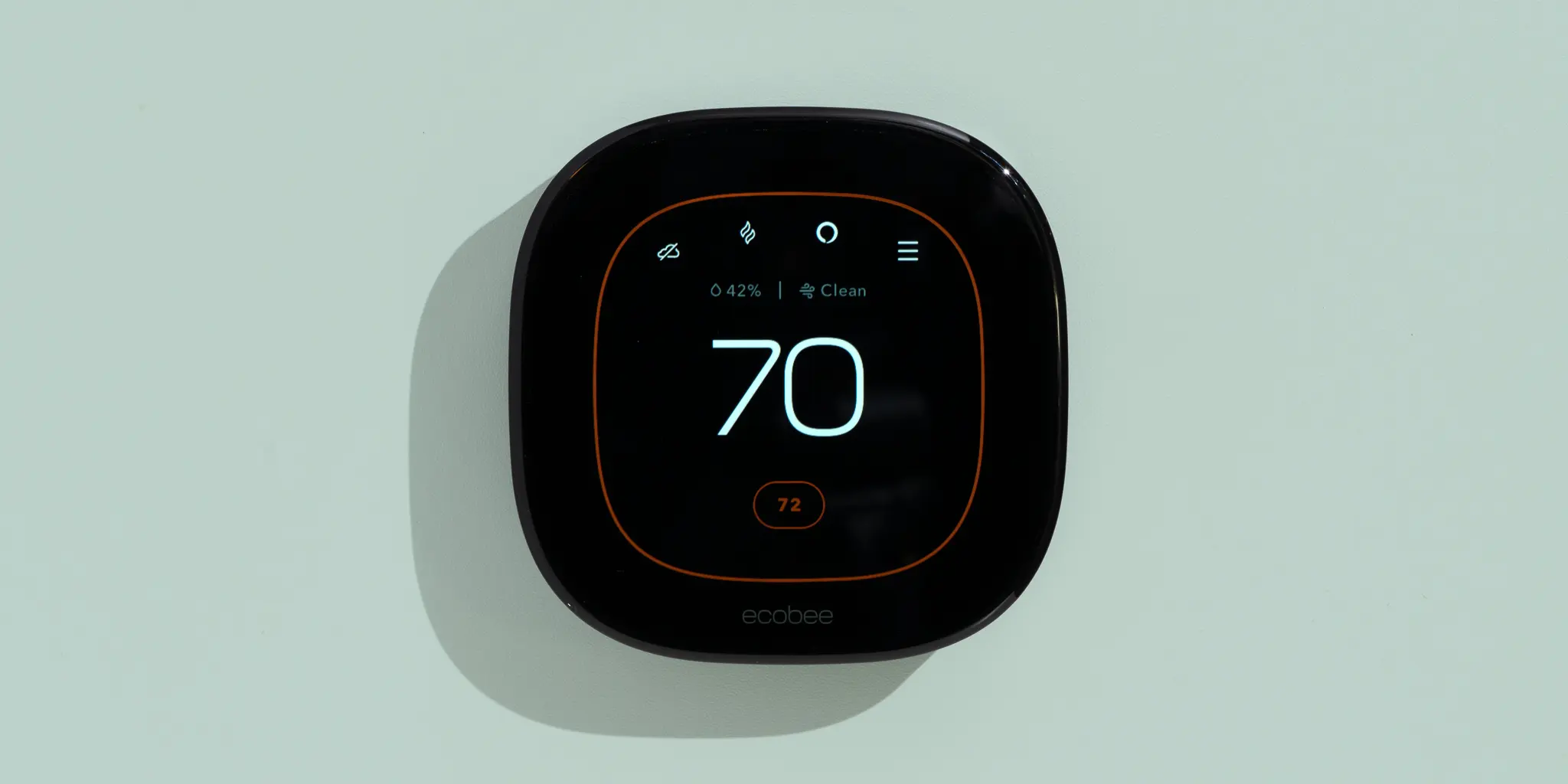
Peabody has one of the broader housing age ranges on the North Shore — older established neighborhoods near downtown with mid-century colonials and ranches, and newer subdivisions built over the past few decades on the city's outskirts. For thermostat installation, that age range produces different starting points in different parts of the city. Older Peabody homes typically have heating systems with thermostat wiring that predates smart thermostat requirements — no C-wire means no smart thermostat without an adapter. Newer Peabody homes are a different situation: modern forced-air systems with all the wiring a smart thermostat needs already in place, and the installation is a straightforward swap with no compatibility complications. Aspen HVAC handles thermostat installation throughout Peabody, with the approach matched to what each home's specific system actually has.
Why Do Older Peabody Homes Need a Compatibility Check?
Mid-Century Heating Systems and C-Wire Gaps
Peabody's established neighborhoods near downtown contain homes built primarily between 1940 and 1975. The gas furnaces and oil boilers installed in these homes during that era used simple two-wire or four-wire thermostat connections — enough for the basic on/off thermostats of the period, but not the C-wire (common wire) that modern smart thermostats require for continuous power. A smart thermostat without C-wire either won't function or will intermittently steal power from the HVAC system's control board, causing erratic behavior. A C-wire adapter resolves this by providing continuous power from the air handler without pulling new wire. Aspen HVAC checks the wiring configuration as part of the initial assessment and installs the appropriate adapter before the thermostat goes up.
How Are Smart Thermostat Installations Different in Peabody's Newer Homes?
Modern Systems With C-Wire Already Present
Newer Peabody subdivisions were built during an era when C-wire became standard in HVAC installations — either because smart thermostats were already common, or because contractors started including it as a routine practice. Homes built in the past twenty-five years in Peabody typically have gas forced-air systems with five-wire thermostat cables that include C-wire. Smart thermostat installation in these homes is cleaner: verify the wiring has what's needed, confirm the system type (single-stage, two-stage, heat pump), select the appropriate model, and install. No adapter work, no compatibility surprises. The main decision is which brand and model is the best fit for the system and the household's preferences.
Which Smart Thermostat Is Right for a Peabody Home?
Matching Brand to System Type and Usage
Ecobee, Nest, and Honeywell Home each address different priorities. Ecobee's room sensor system is well-suited to Peabody's larger older colonials with multi-story layouts — sensors in bedrooms and living areas allow the thermostat to average temperature across the home rather than reading a single hallway location. This is particularly effective for two-story homes where the upper floor runs warmer in summer. Nest's self-learning algorithm adapts to household schedules automatically, which works well in homes with consistent patterns and minimal desire to program manually. Honeywell Home's range is the most comprehensive and includes models for two-stage systems and heat pumps, which is relevant for Peabody homes that have had heating system upgrades. Aspen HVAC matches the recommendation to the specific system and usage.
Does Zoning Make Sense for Peabody Homes?
Multi-Story Colonials vs. Single-Story Ranches
Zoning — adding motorized dampers and multiple thermostats to a single-zone forced-air system — is most appropriate for Peabody's multi-story colonials where temperature variation between floors is persistent and significant. A two-story colonial with heating and cooling issues on upper versus lower floors is a reasonable zoning candidate. Peabody's mid-century ranches are single-story homes where temperature variation is less extreme and a smart thermostat with room sensors is usually the better, lower-cost solution. Aspen HVAC evaluates whether zoning is warranted for a specific home during the assessment — both the comfort complaint and the ductwork configuration factor into the recommendation.
What Does Thermostat Installation Look Like in Peabody?
Assessment, Wiring Check, and Complete Installation
Aspen HVAC checks the system type and thermostat wiring, confirms whether a C-wire adapter is needed, and recommends the correct thermostat before any work begins. Installation covers mounting, wiring, adapter work if needed, and full setup — app connection, Wi-Fi configuration, and schedule programming. A standard installation, including adapter work, completes in under two hours. Call 781 289 1000 to schedule.
Local Technicians. Trusted Expertise.
Direct Response
Call and you reach Aspen HVAC directly — not a call center, not a regional dispatch queue. Real answers from people who know the work.
North Shore Based
Aspen HVAC's technicians live and work here. Full service, full coverage, daily — when you call, you get a local tech who knows the area.
Trusted Accountability
Locally owned, licensed and insured in Massachusetts, with over 25 years serving North Shore homeowners and property managers.
Common Questions About Thermostats & Sensors in Peabody
Aspen HVAC installs smart thermostats (Ecobee, Nest, Honeywell Home), programmable thermostats, and zoning thermostats for multi-zone systems. Peabody's range of home ages — older downtown neighborhoods to newer subdivisions — means compatibility requirements vary significantly. Aspen HVAC confirms the specific wiring situation before recommending.
Often yes. Peabody's older neighborhoods near downtown were built with heating systems that predate C-wire requirements. A C-wire adapter resolves this in most cases without rewiring. Aspen HVAC checks wiring before recommending any model.
Generally yes. Newer Peabody homes typically have gas forced-air systems with modern wiring including C-wire. Smart thermostat installation is more straightforward in these homes — confirm compatibility, select the model, install and configure. Aspen HVAC handles both older and newer Peabody home installations.
Yes. Both oil and gas systems use low-voltage thermostat wiring compatible with smart thermostats. The question is C-wire availability — older Peabody homes frequently lack it. A C-wire adapter resolves this. Aspen HVAC confirms wiring before recommending.
Zoning is worth considering for Peabody's larger older colonials with multi-story layouts and significant temperature variation between floors. Mid-century ranches are typically single-zone and don't benefit from a zoning installation. Aspen HVAC assesses whether the ductwork supports zoning during the assessment.
A smart thermostat swap, including any C-wire adapter work, typically completes in under two hours. A zoning system installation takes a half to full day. All scope and pricing confirmed upfront before work begins.
Ready To Schedule Thermostats & Sensors
In Peabody?
Local. Licensed. Available Now. Call Aspen HVAC — 24/7 Emergency Response.