
Thermostat Installation
In Salem, MA
Smart thermostat and zoning installation for Salem's diverse housing stock — historic Victorians, triple-deckers, and single-family homes, with compatibility checks for older wiring and the right thermostat type for each system.
Thermostat Installation in Salem: Victorians, Triple-Deckers, and Single-Family Homes
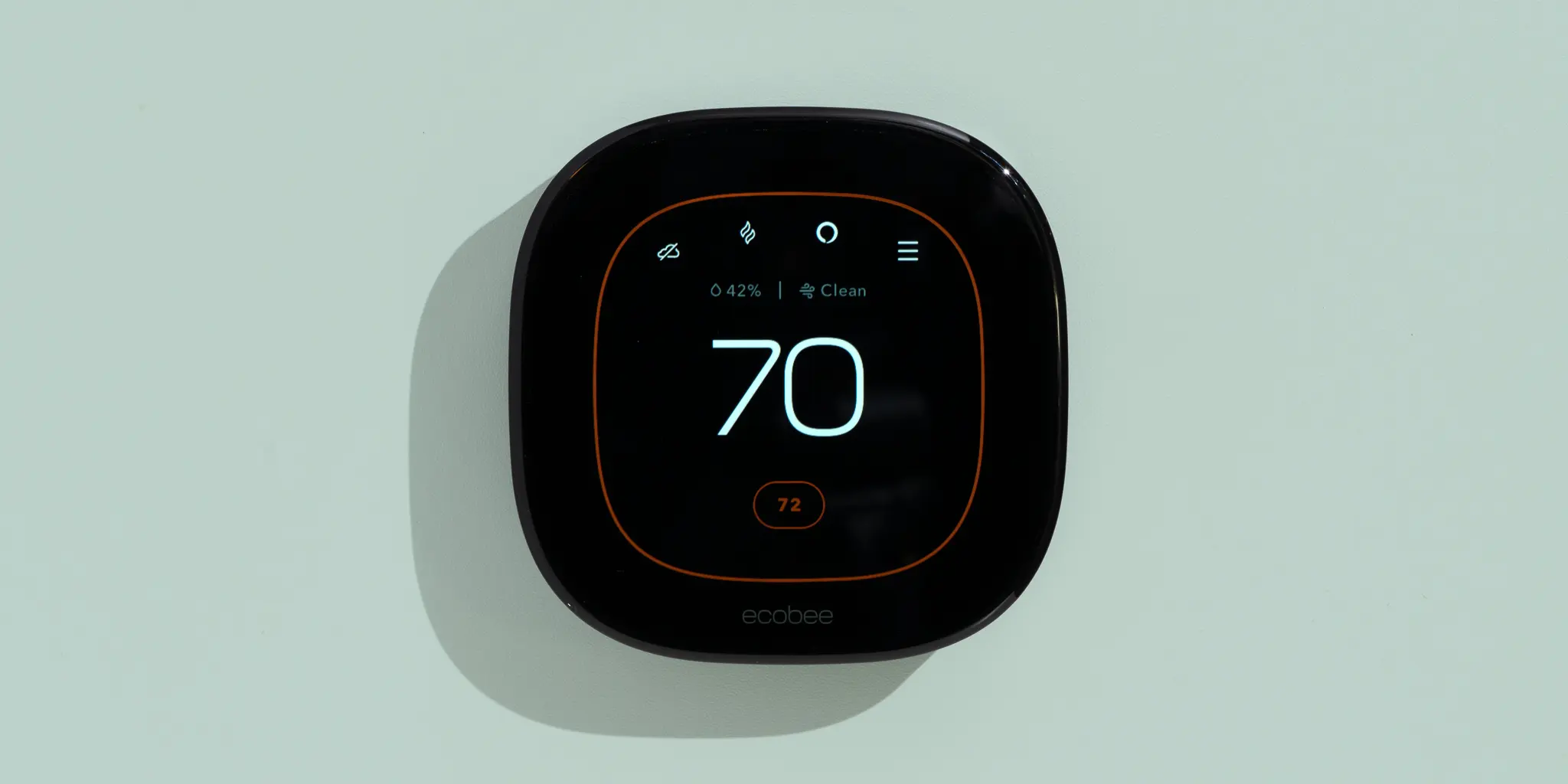
Salem has one of the most varied housing stocks on the North Shore — historic Victorians and row houses near downtown, triple-deckers and multi-family buildings in dense residential neighborhoods, and more conventional single-family colonials and ranches in the quieter areas. That variety matters for thermostat installation because the right thermostat depends on the HVAC system type, and Salem's range of home ages and building types means no single recommendation fits every case. Older systems often lack the C-wire that smart thermostats require. Electric baseboard systems need a different class of thermostat entirely. Multi-unit buildings add a landlord dimension — independent control per unit, or a system that tenants can operate without creating constant calls. Aspen HVAC installs thermostat systems throughout Salem, accounting for the specific home type and HVAC configuration.
What's Different About Thermostat Installation in Salem's Older Homes?
C-Wire Compatibility in Victorian and Pre-War Housing
Salem's historic Victorians and older colonials were built with heating systems that didn't require the constant-power common wire that modern smart thermostats depend on. The result is that many older Salem homes have thermostat wiring with only two to four conductors — enough for the original equipment but not for a Nest or Ecobee without additional work. A C-wire adapter, which draws power from the HVAC system's transformer rather than a dedicated wire, resolves this in the majority of older Salem homes without pulling new wire through finished walls. Aspen HVAC checks the existing wiring during the assessment so there are no surprises. The age and type of the heating system determines which adapter approach works correctly.
How Does Thermostat Installation Work in Salem's Triple-Deckers?
Per-Unit Control and Line-Voltage Systems
Triple-deckers are a distinctive Salem housing form — three-story multi-family buildings with one unit per floor, each typically with its own heating system. Thermostat installation in a triple-decker often means working in multiple units, with each unit's heating system configured independently. The other factor in Salem's triple-deckers is electric baseboard heating — common in older multi-family buildings where each unit has its own baseboard rather than a shared furnace or boiler. Electric baseboard systems run at line voltage (120V or 240V) rather than the low voltage of forced-air and hydronic systems. Line-voltage smart thermostats exist, but the product range is more limited than for low-voltage systems, and the installation is different. Aspen HVAC identifies the correct thermostat type before any work begins.
Does Zoning Make Sense in Salem Homes?
Multi-Story Temperature Control for Larger Homes
Salem's larger Victorians are natural zoning candidates — multi-story homes with heating systems from an era before modern ductwork distribution, where temperature variation across floors is common. A zoning system installs motorized dampers in the ductwork and connects multiple thermostats to a zone control board, allowing each floor or area to be set independently. For a Salem Victorian where the top floor runs significantly warmer than the ground floor in summer, zoning is the structural solution. A smart thermostat with remote sensors helps, but it can't adjust airflow the way a zoning system can. Aspen HVAC assesses whether the home's ductwork supports zoning and what the installation involves.
What Smart Thermostat Options Work Best in Salem?
Matching the Brand to the System and the Household
Ecobee, Nest, and Honeywell Home each approach smart thermostat design differently. Ecobee includes remote room sensors standard, which is useful for Salem's multi-story homes where a single thermostat location doesn't represent the whole house. Nest's self-learning scheduling works well for households with consistent daily patterns. Honeywell Home's broader thermostat lineup includes models built for multi-zone forced-air configurations — relevant for Salem homes with existing zoning systems that need a thermostat upgrade rather than a full zone installation. The decision should follow the specific system and wiring, not brand preference. Aspen HVAC recommends based on what the assessment finds.
What Does Thermostat Installation Look Like in Salem?
Assessment, Wiring Check, and Configured Installation
Aspen HVAC assesses the existing system, checks thermostat wiring, confirms the correct thermostat type for the heating and cooling configuration, and recommends accordingly before any work begins. Installation includes mounting, wiring, and complete setup — Wi-Fi connection, app configuration, and schedule programming where applicable. For multi-unit buildings, each unit is handled in sequence. Call 781 289 1000 to schedule an assessment.
Local Technicians. Trusted Expertise.
Direct Response
Call and you reach Aspen HVAC directly — not a call center, not a regional dispatch queue. Real answers from people who know the work.
North Shore Based
Aspen HVAC's technicians live and work here. Full service, full coverage, daily — when you call, you get a local tech who knows the area.
Trusted Accountability
Locally owned, licensed and insured in Massachusetts, with over 25 years serving North Shore homeowners and property managers.
Common Questions About Thermostats & Sensors in Salem
Aspen HVAC installs smart thermostats (Ecobee, Nest, Honeywell Home), programmable thermostats, and zoning thermostats for multi-zone systems. Salem's housing stock spans single-family homes to multi-unit buildings to historic Victorians — the right thermostat depends on the system type, existing wiring, and how the space is used. Aspen HVAC confirms compatibility before recommending.
Usually yes, with a compatibility check. Salem's older homes — including the triple-deckers and Victorians common in residential neighborhoods — often have HVAC systems wired without a C-wire, which many smart thermostats require. A C-wire adapter resolves this in most cases. Multi-unit buildings with individual heating systems per unit are also compatible; each unit gets its own thermostat. Aspen HVAC checks wiring before recommending a model.
Yes, but the thermostat type is different. Electric baseboard systems use line-voltage thermostats rather than the low-voltage thermostats used with forced-air and boiler systems. Smart thermostats for line-voltage systems exist but the selection is more limited. Aspen HVAC identifies the correct thermostat type for the specific heating system.
Zoning makes sense for Salem homes with multi-story layouts where temperatures vary significantly between floors, or homes with additions that aren't well-served by the existing system. Salem's larger Victorians and multi-story colonials are natural candidates. For rental units in a multi-family, independent thermostats per unit provide better control than a shared system. Aspen HVAC assesses and installs zoning systems.
A standard smart thermostat swap is typically under two hours. A zoning system installation runs a half to full day depending on the number of zones and the ductwork configuration. For multi-unit buildings, each unit's thermostat is installed sequentially. Aspen HVAC confirms the timeline before work begins. Pricing confirmed upfront.
Yes. Aspen HVAC installs and services HVAC systems throughout Salem — historic Victorians near downtown, triple-deckers and multi-family in dense residential neighborhoods, and single-family colonials in the quieter residential areas. The thermostat recommendation accounts for the specific system type in each home.
Ready To Schedule Thermostats & Sensors
In Salem?
Local. Licensed. Available Now. Call Aspen HVAC — 24/7 Emergency Response.